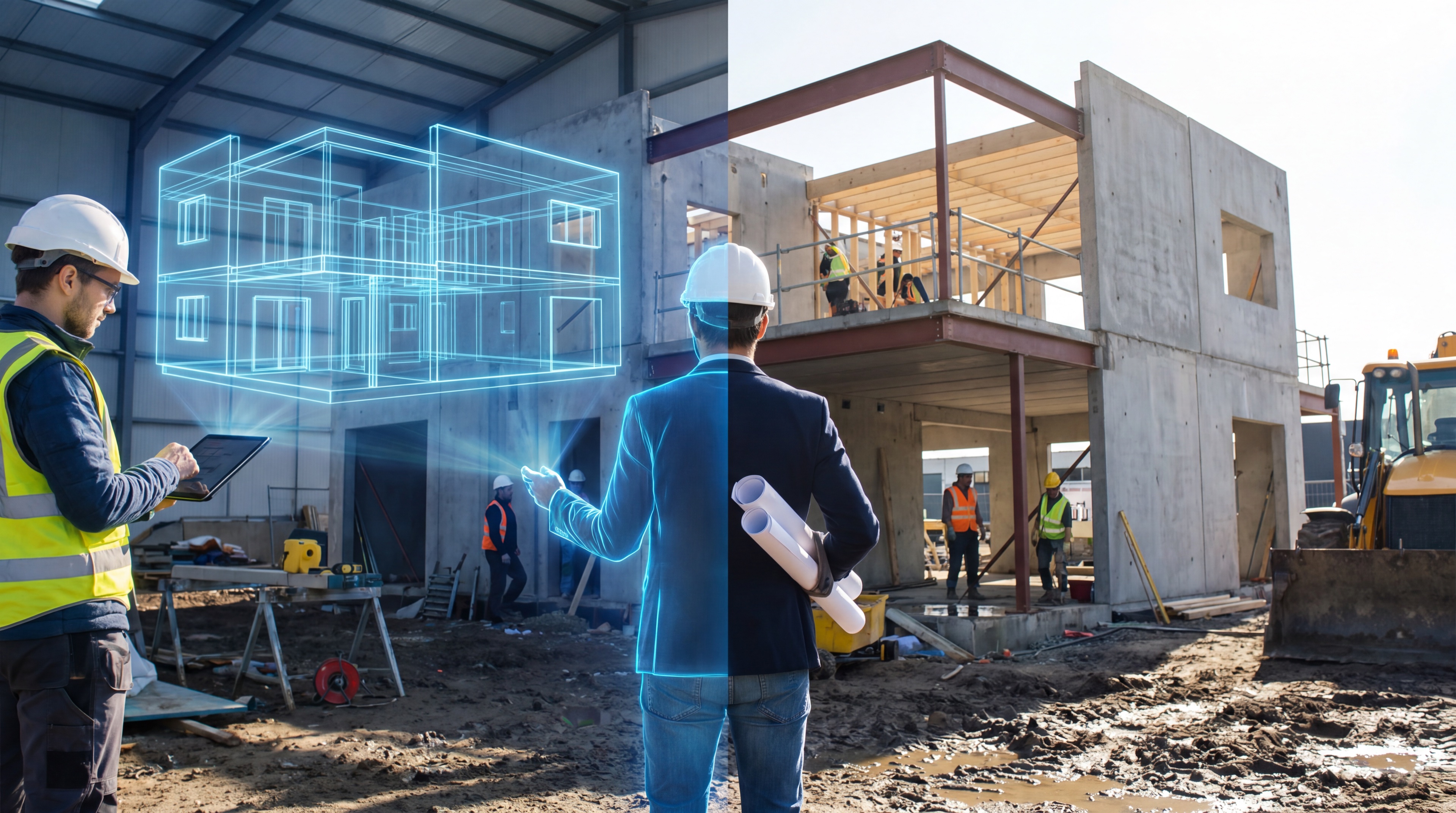
AI, Construction, and Reality: Where the Line Should Be Drawn
Let's be honest for a moment.
Construction doesn't need more buzzwords.
It needs fewer surprises.
Right now, everyone is talking about AI designing buildings, drawing floor plans, and "automating" development. Sounds exciting — until you remember one small thing:
👉 Buildings still have to stand up.
👉 Councils still have to approve them.
👉 Someone still has to pay the bill.
And that's where reality kicks in.
Why AI Shouldn't Be Designing Buildings (Yet)
In the real world, buildings are designed by certified architects for a reason.
They deal with:
- Planning rules
- Building codes
- Site constraints
- Council requirements
- Liability
AI-generated designs might look good on a screen, but they often miss what matters:
- What's buildable
- What's compliant
- What's actually costable
For first-time developers especially, this is risky. If you don't know what to look for, you won't know what's missing until it's too late — usually when the quotes come back… or worse, during the build.
So no — at QSME, we're not trying to replace architects.
We respect them.
Where AI Does Belong: Turning Drawings Into Clarity
Here's the thing no one tells you at the start:
👉 Drawings alone don't give you cost certainty.
👉 Quotes without structure are guesses.
The real pain starts after the drawings are done.
This is where AI actually shines.
At QSME, we use AI not to design, but to help with what comes next:
- Understanding scope
- Structuring costs
- Building a proper BoQ / SoQ
- Preparing clean, comparable tenders
Think of it like this:
Architects create the vision.
AI helps translate that vision into numbers that make sense.
No magic. No guessing. Just structure.
The BoQ: Where Most Projects Win or Lose
If you've never developed before, here's a hard truth:
Most disputes don't start because someone is dishonest.
They start because the scope was unclear.
A proper BoQ (or SoQ):
- Breaks work into clear jobs
- Separates materials and labour
- Makes quotes comparable
- Reduces "Oh, that wasn't included"
In QSME, everything flows from the BoQ:
- Tenders are created from it
- Quotes respond to it
- Payments align with it
That's not flashy — but it's powerful.
First-Time Developers: The Biggest Gap Isn't Money — It's Process
First-time developers don't usually fail because they lack ambition.
They struggle because:
- They don't know what questions to ask
- They don't know what a "good" quote looks like
- They don't know where risk hides
- They rely on trust without structure
QSME is built to close that gap.
Instead of jumping straight to quotes, we slow things down just enough to get things right:
- Structure the scope
- Invite tenders properly
- Compare apples with apples
- Lock expectations early
That alone removes a lot of stress.
Transparency, Payments, and Why Escrow Matters
Let's talk about money — because that's where relationships usually break.
On QSME:
- Payments are linked to agreed scope
- Money can be held securely
- Funds are released when work is done
- Everyone knows where they stand
For developers:
- You don't pay too early
For contractors:
- They know the money is real
That balance matters — especially when people are working together for the first time.
Behind the scenes, some of this moves on-chain.
Up front, you don't need to care.
No crypto knowledge required.
No tech headaches.
Just transparency.
Our Position on AI (Clear and Simple)
Here's where QSME stands:
- Architects design
- Professionals verify
- Builders build
- AI helps structure, read, and organise
- The platform handles trust and flow
AI shouldn't replace responsibility.
It should support it.
When used properly, AI doesn't remove humans from construction — it removes confusion.
Final Thought
If you're a first-time developer, you don't need:
❌ More hype
❌ More guesswork
❌ More risk
What you do need is a clear path — from drawings to scope, from tenders to payments — without having to become an expert in every discipline along the way.
And if you're an experienced developer, you need something just as valuable: time back. Time spent on decisions that actually move a project forward, instead of chasing quotes, reconciling spreadsheets, or untangling scope disputes that never needed to happen.
That's what we set out to build — a platform that meets you where you are. Whether it's your first project or your fiftieth, everything is structured so the process runs clearly, the money flows fairly, and both sides know exactly where they stand from day one.
Build faster. Spend smarter. Keep everyone aligned.
That's not hype. That's just how it should work.