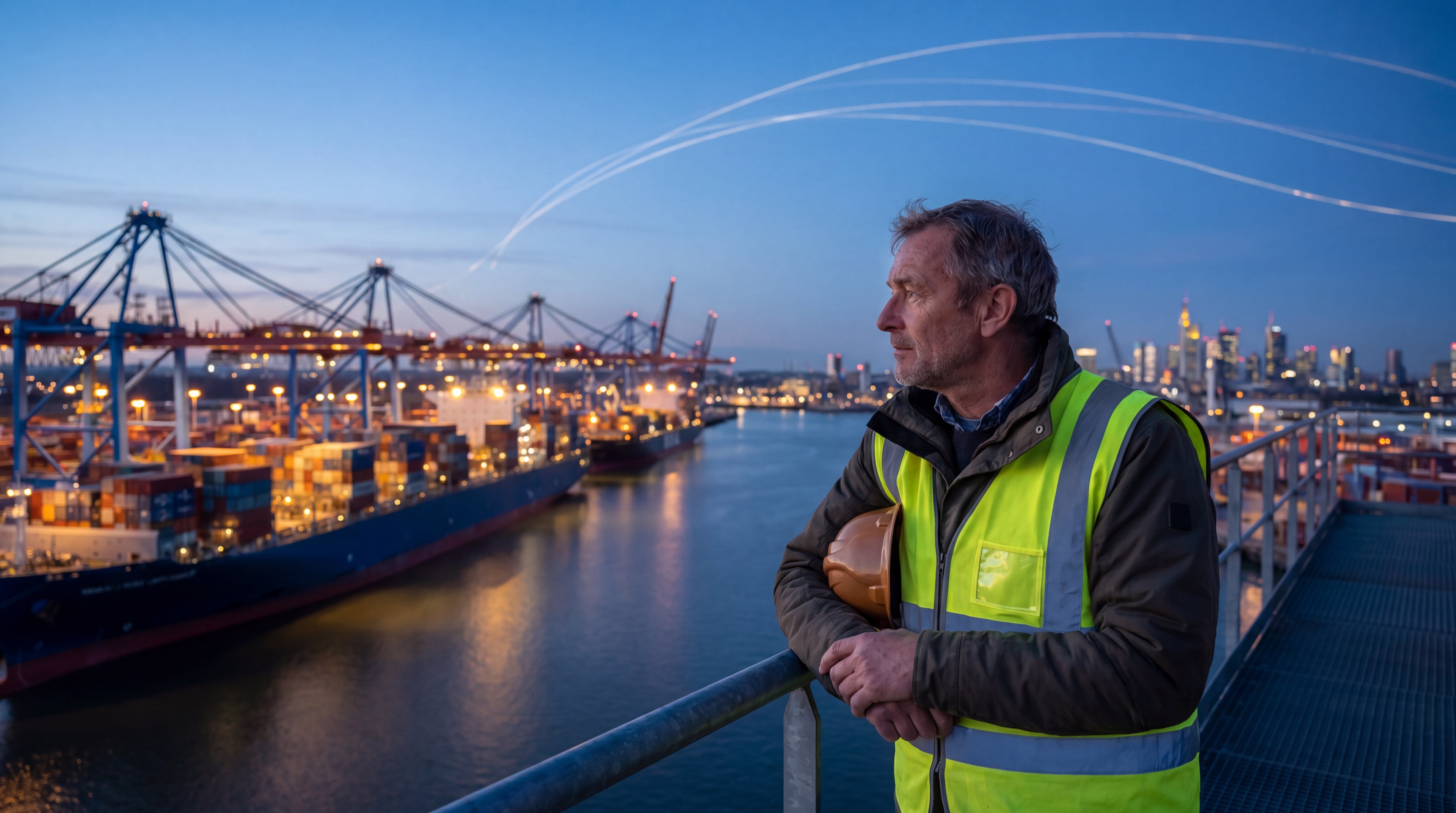
🌍 Reputation in Construction Shouldn't Reset at the Border
In construction, your name matters.
But here’s the strange part:
A builder can complete ten solid projects in one country, then move elsewhere and suddenly… it’s like none of that ever happened.
New clients can’t see the history.
Past performance is hard to prove.
Trust has to be rebuilt from scratch.
At QSME, we think that’s backwards.
If you’ve done the work properly, your track record should follow you — no matter where the next project is.
🧱 What “On-Chain Reputation” Actually Means (Without the Tech Talk)
Let’s keep this practical.
On QSME, reputation isn’t based on marketing profiles or glossy claims.
It’s built from what actually happened on real projects.
That includes:
- What work was agreed
- How payments were handled
- Whether milestones were met
- How issues were resolved
Once recorded, that history can’t quietly disappear or be rewritten later.
Not because it’s trendy — but because construction relies on memory, and memory is usually the first thing that gets fuzzy when problems arise.
🌍 Working Across Countries Without Starting From Zero
Construction is global now.
Developers invest overseas.
Contractors work across regions.
Projects involve teams that may never meet in person.
QSME makes it possible for:
- Past work in one country to be visible elsewhere
- New partners to verify experience without long back-and-forth
- Decisions to be made based on evidence, not assumptions
It doesn’t replace due diligence — it makes it easier.
🏗 Governance Without One Party Holding the Keys
Big projects often involve more than two people:
- Multiple investors
- Joint-venture partners
- Developers
- Consultants
- Sometimes public bodies or communities
That’s where things usually get messy.
QSME uses a shared governance model so:
- Decisions are recorded
- Approvals are clear
- Everyone knows what was agreed, and when
No single party quietly changing the rules halfway through.
💰 Payments: Where Most Projects Either Work or Fall Apart
Let’s be honest — money causes most disputes.
QSME supports escrow-style payments where:
- Funds are secured before work begins
- Contractors know payment exists
- Developers don’t release money early
- Releases follow agreed milestones
You don’t need to understand how it works behind the scenes.
What you notice is:
- Fewer arguments
- Less chasing
- More certainty
And in construction, certainty is everything.
🌐 A Network Built on Real Work, Not Promises
Over time, QSME becomes more valuable because:
- Long-term participants build visible history
- Good performance compounds
- Poor behaviour becomes harder to hide
This creates a network where:
- Reputation is earned slowly
- Trust is based on delivery
- New projects start with clarity instead of suspicion
That’s better for everyone — developers, contractors, and investors alike.
🔐 Clear Records Without Oversharing
Transparency doesn’t mean exposing everything.
QSME is designed so:
- Key facts can be verified
- Sensitive data stays protected
- Project history can be reviewed when needed
- Accountability exists without chaos
Think of it like good record-keeping — just modernised.
🌍 Where This Really Helps
This approach is especially useful for:
- Cross-border developments
- Investor-backed projects
- Joint ventures
- Community or NGO builds
- Multi-owner or consortium projects
Anywhere more than one party needs confidence — QSME adds structure.
🚀 Looking Ahead (Carefully)
Over time, QSME will introduce:
- Smarter analysis of project history
- Better signals around delivery and reliability
- Less admin, fewer surprises
But one thing won’t change:
Technology should support construction — not pretend it understands it better than the people on the ground.
Final Thought
In construction, reputation is built the hard way:
- By showing up
- By delivering
- By doing what you said you’d do
QSME doesn’t invent trust.
It records it, protects it, and lets it move with you — wherever the next project happens to be.